Featured Product
Simms Cold Weather Pant
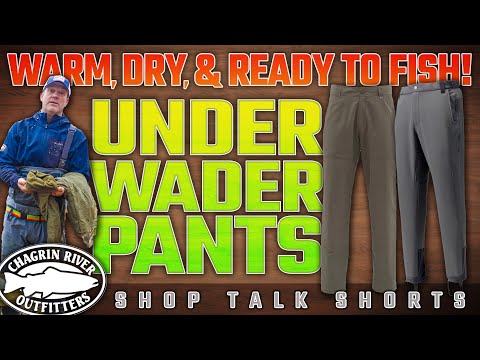
Fleece-lined wading pants with velcro cuff, designed to be worn underneath waders for warmth and breathability
"the pair from Sims the cold weather pant I've been wearing for geez however long they've been out 6 Seven 8 years now we sell a ton of them at the sho..."
The Secret to Staying Warm on the Water This Winter
Every seasoned angler knows the feeling: you're standing knee-deep in a frigid river, the kind of cold that bites right through to your bones, and all you can think about is getting back to the truck. It's a familiar story — and more often than not, the culprit isn't your waders, your jacket, or even the temperature itself. It's what you're wearing underneath.
It's one of the most overlooked conversations in cold-weather fly fishing, and yet it might be the single most important factor determining whether your winter outing is a triumph or a miserable slog. Dan Pranic of Chagrin River Outfitters has been having this conversation with customers for years, and he's passionate about getting anglers to think more carefully about their layering strategy — specifically, what goes on under those waders.
"It's a subject that comes up a lot in the shop, but I don't think gets talked about enough — really how to, what do we want to wear underneath our waders. Everybody has these nice waders and jackets and everything we wear outside, but what are we wearing underneath to stay warm, to stay dry, to stay comfortable when we're on the water?"
Why Your Base Layer Makes or Breaks Your Time on the Water
Think of your wading system as a carefully engineered machine. High-end breathable waders — the kind built with Gore-Tex and similar technical fabrics — are designed to regulate moisture, wick sweat away from your body, and allow heat to escape in a controlled way. They are, in essence, a finely tuned piece of equipment. But like any machine, every component has to work together. Throw the wrong part into the mix, and the whole system breaks down.
That's precisely what happens when anglers pull on a pair of jeans, cotton sweatpants, or khakis underneath their waders. Cotton is notoriously poor at moisture management — it absorbs sweat, holds it against the skin, and loses its insulating properties when wet. The result? Your premium breathable waders are rendered almost entirely useless.
"If I have a pair of jeans on, or some cotton, or some khaki underneath — a material that doesn't wick, that doesn't breathe — you might as well just take these Gore-Tex waders, cut them up with scissors, and throw them in the garbage. You take away all that breathability and wickability that the breathable waders are offering."
It's a pointed analogy, but it drives the point home. Investing hundreds of dollars in a pair of technical waders and then undermining them with the wrong underlayer is one of the most common — and most costly — mistakes fly fishers make heading into the cold-weather season.
Mentioned in This Article
Orvis Pro Underwader Pant
Sleek underwader pant with stirrup bottom and belt loops, designed to be worn beneath waders with moisture-wicking breathable material
The Two Products Worth Knowing About
So what should you be wearing? Pranic highlights two standout options that check all the boxes for cold-weather wading performance: the Simms Cold Weather Pant and the Orvis Pro Under Wader Pant. Both are purpose-built for the task, and each brings something slightly different to the table.
Simms Cold Weather Pant: The Proven Workhorse
The Simms Cold Weather Pant has been a staple recommendation at Chagrin River Outfitters for years — and for good reason. Pranic himself has been wearing a pair for the better part of a decade, putting them through their paces not just on the river, but during duck hunting season and even on cold-weather dog walks.
"I've been wearing them for — geez — however long they've been out, six, seven, eight years now. We sell a ton of them at the shop."
The design details matter here. A fleece lining on the interior provides genuine warmth without bulk, making them comfortable to wear during long days on the water. But perhaps the most practical feature is the Velcro cuff at the ankle — a small detail that solves a very real problem. Anyone who has struggled to pull waders on over bulky pants knows the frustration of fabric bunching and riding up. The Velcro cuff cinches down at the bottom, keeping everything neatly in place as you pull your waders on.
Beyond their fishing utility, the Simms Cold Weather Pants have proven themselves as genuinely versatile cold-weather garments — the kind of piece that earns a permanent spot in your rotation long after the trout season winds down.
Orvis Pro Under Wader Pant: The Sleek New Contender
Newer to the market but generating plenty of buzz, the Orvis Pro Under Wader Pant represents a more refined, polished take on the under-wader concept. Where the Simms pant leans into warmth and rugged durability, the Orvis offering prioritizes a slimmer, more streamlined profile.
Rather than a Velcro cuff, the Orvis pant uses a stirrup system at the ankle — a different approach to the same problem of keeping your underlayer from riding up during the wader-pulling process. The fabric itself is notably softer and more supple, which Pranic suggests allows waders to slide over the underlayer more easily — a small but meaningful quality-of-life improvement on the riverbank.
The Orvis Pro also includes belt loops and pockets, giving it a more conventional trouser-like appearance that transitions surprisingly well off the water. For anglers who occasionally need to stop by the office or run errands before or after a fishing session, that matters more than you might think.
"It's a little sleeker. It's definitely a big upgrade over just a pair of fleece or sweatpants as far as looks go — if you've got to step into the office before or after you go fishing, it's very nice."
The Science Behind Breathability and Wickability
Understanding why technical underlayers outperform everyday clothing requires a brief look at how breathable wader systems actually work. Gore-Tex and similar membrane fabrics function through a process of vapor transmission — moisture vapor from your body passes through microscopic pores in the membrane and dissipates outward. The system works remarkably well, but only when the layers beneath the wader are working in concert with it.
Technical base layer fabrics — whether synthetic or merino wool — are engineered to pull moisture away from the skin and transfer it outward. When paired with breathable waders, this creates an efficient moisture management chain: sweat leaves the skin, moves through the base layer, continues through the wader membrane, and escapes into the outside air. The angler stays drier, warmer, and more comfortable as a result.
Disrupt that chain with a non-wicking material, and the whole system stalls. Moisture accumulates against the skin, the insulating properties of your underlayer collapse, and the breathable wader membrane has nothing to work with. The angler ends up cold, damp, and uncomfortable — not because their gear failed them, but because the layers weren't working together.
Mentioned in This Article
Simms G3 Guide Waders
Breathable Gore-Tex fishing waders, referenced as retailing for approximately $699
Getting the Fit Right: Practical Tips for Layering Under Waders
Choosing the right under-wader pant is only half the battle. Fit and layering strategy matter just as much. A few key principles can make the difference between a comfortable day on the water and a frustrating one.
First, avoid anything too bulky. Excessive volume underneath your waders creates friction, makes movement more difficult, and can strain the seams and booties of your waders over time. Purpose-built under-wader pants are cut with a trimmer, more streamlined profile specifically to avoid this problem.
Second, consider the temperature range you're fishing in. On the coldest days, a mid-layer between your base layer and your waders — a lightweight fleece or insulated pant — can add meaningful warmth without sacrificing mobility. On milder winter days, the under-wader pant alone may be sufficient.
Finally, pay attention to ankle management. Whether you prefer the Velcro cuff approach of the Simms pant or the stirrup system on the Orvis, keeping your underlayer anchored at the bottom is essential for a hassle-free wader-pulling experience. It's a small thing until it isn't — and anyone who has stood in a cold parking lot wrestling with bunched-up fabric at 6 a.m. will tell you it's worth getting right.
A Smart Investment in Comfort — and More Days on the Water
There's a tendency among anglers to focus the bulk of their gear budget on the visible, high-profile items — the waders, the rod, the reel, the jacket. These things matter, of course. But the unglamorous, hidden layers are often where the real difference is made, particularly in cold weather.
A quality pair of under-wader pants represents a relatively modest investment compared to the waders they're protecting and enhancing. And the return on that investment is measured in something more valuable than dollars: time on the water. More comfortable hours, more productive casts, and fewer early retreats to the warmth of the truck.
"Wear the right thing, and you're going to enjoy your time on the water more. Wear the wrong thing, and you're going to be cold and miserable and probably back to the truck sooner than you want to be."
The Bottom Line for Cold-Weather Fly Fishers
Winter fly fishing demands a complete, thoughtful approach to gear — and that means taking an honest look at every layer, not just the ones people can see. The Simms Cold Weather Pant and the Orvis Pro Under Wader Pant both represent excellent solutions to a problem that too many anglers ignore until they're already shivering streamside.
Whether you prioritize the battle-tested warmth of the Simms or the sleek versatility of the Orvis, the fundamental principle remains the same: give your breathable waders the underlayer they need to do their job. Wick the moisture, preserve the breathability, and keep the system working as it was designed to.
Do that, and winter becomes less of an obstacle and more of an opportunity — a quieter, less crowded season on the water with some of the most rewarding cold-weather trout fishing of the year waiting for those willing to gear up properly and stay out long enough to enjoy it.